Top 10 Ways To Evaluate The User Experience And Interface Of Ai Platforms For Trading Stocks
The User Interface and User Experience of AI trading platforms that use stock analysis are essential to ensuring usability and efficiency. They also affect overall satisfaction. Even even if AI models are reliable but a poorly designed interface could hinder the process of making decisions. Here are 10 tips on how to assess the UI/UX.
1. Evaluation of the intuitiveness and ease of use
Navigation: The platform should be user-friendly. It should be clear buttons, menus and workflows.
Learning curve: Determine the speed at which an unexperienced user is able to comprehend and use your platform, without requiring extensive training.
Check for consistent designs (e.g. color scheme and button styles) across all platforms.
2. Make sure you check for customizability.
Dashboard customization: See if dashboards can be customized to display data, charts and metrics that are relevant for the user.
Layout flexibility: Ensure that the platform permits users to rearrange or resize widgets as well as charts and tables.
Themes and preference. Find out if there are dark/light options or other preferences in the visual.
3. Visualize Data
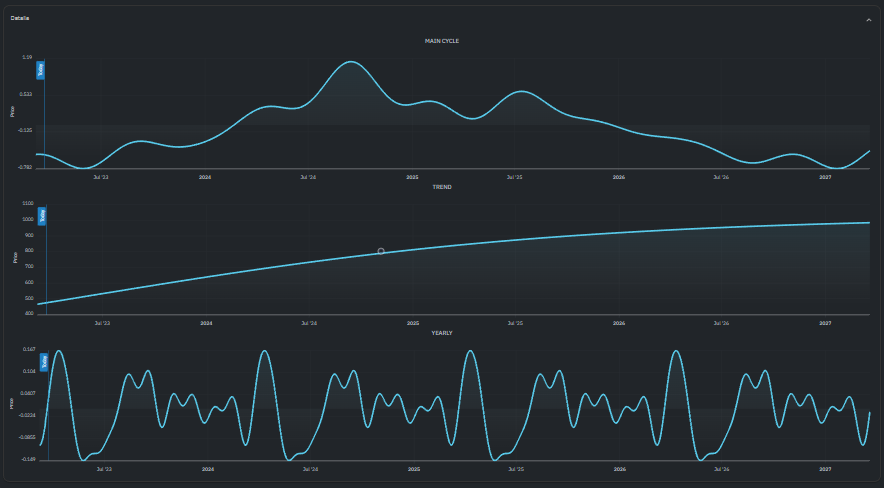
Chart quality: Make sure the platform provides high-quality, interactive charts (e.g. candlestick charts, line charts) with pan and zoom capabilities.
Visual clarity: Ensure that your data are clearly displayed by using labels, legends and tooltips.
Real-time Updates: Make sure to check whether your charts reflect the latest market information.
4. Test the responsiveness and speed
Time to load: Make sure your platform loads fast, even when handling large datasets or complicated calculations.
Real-time Performance: Find out if the platform is able to handle data feeds with no lag.
Cross-device compatibility: Check whether your device can be used on all devices (desktops and mobiles as well as tablets).
5. Examine accessibility
Mobile App: Ensure the platform has an application for trading via mobile that offers full functionality.
Keyboard shortcuts. Be sure the platform offers keyboard shortcuts to power users.
Accessibility features. Verify the platform’s compliance with accessibility standards.
6. You can sort and search your results.
Search functionality: Make sure that the platform allows users to quickly search for stocks, indexes, and other assets.
Advanced filters: Determine the existence of filters that can be applied to your results.
Searches saved to save: Find out whether you are able to save searches and filters that you frequently use.
7. Look for Alerts and Notifications
Customizable alarms: Make sure users can set up notifications for specific situations.
Notification Delivery: Check to see if notifications are delivered in multiple methods (e.g. via SMS, email or app notifications).
Check for promptness and the accuracy of alerts.
8. Integrating Other Software
Broker integration: The platform must be integrated with your brokerage account, so that transactions can be completed effortlessly.
API access: Determine whether the platform permits advanced users to develop custom workflows and tools.
Third-party interfaces: Make sure you know if the platform has integrations with third-party tools (e.g. Excel or Google Sheets) and trading robots.
9. Examine Help and Support Features
Go through the onboarding videos.
Help center. Make sure that the platform comes with an extensive help center.
Customer support: Find out whether the platform has responsive customer support (e.g., live chat, email, telephone).
10. Test The Overall Satisfaction of Users
User feedback: Use reviews and feedback from users to determine overall satisfaction with the platform’s UI/UX.
Free trial period: Test the platform at no cost and evaluate its usability.
Verify the platform’s error handling.
Bonus Tips
Aesthetics. While function is a key aspect, a pleasing visual design can greatly enhance the overall user experience.
Performance under pressure Test the platform in extreme market volatility to ensure that it is stable and flexible.
Forums and communities: Find out if the platform has an active community of users or forum in which users can give feedback and tips.
Follow these tips to assess the user interface and UX of AI platform for analyzing and predicting stocks. This will help ensure that they’re user-friendly and efficient. Additionally, they should be aligned with trading needs. A great UI/UX can significantly enhance your ability to make well-informed decisions and efficiently execute trades. Take a look at the top trade ai info for more advice including ai bots for trading, best ai for trading, best free copyright trading bot, stock analysis websites, ai stocks, ai investing, best ai trading app, chart ai for trading, best ai copyright trading bot, ai trading software and more.
Top 10 Tips For Assessing Regulatory Compliance With Ai Trading Platforms That Predict Stocks Or Analyze Their Performance.
Regulatory compliance is a critical element when it comes to evaluating AI platform for analyzing and predicting stocks. Compliance ensures a platform’s operation within the legal frameworks. Users data is protected and financial regulations are complied with and reduces the risk of legal issues. Here are the top 10 ways to evaluate the regulatory compliance of such platforms:
1. Check your license and registration
Regulatory authorities: Check that the platform’s registration and license is with the relevant financial regulatory authorities (e.g. SEC or FCA in USA, ASIC or ASIC in Australia).
Broker partnership: If a platform is integrated with brokers, make sure that the brokers are also licensed and properly regulated.
Public Records: Go to the website of your regulator agency for details on registration status or past violations, as well as other relevant information.
2. Assessment of the data privacy Compliance
GDPR – If your platform operates within the EU or serves users from the EU make sure it complies with GDPR.
CCPA : California Consumer Privacy Act (CCPA) compliance should be checked by users.
Policy on handling data: Make sure that you go through the platform’s privacy policies to know how users’ data is gathered and stored.
3. Evaluation of Anti-Money Laundering measures
AML policies: Ensure the platform is equipped with strong AML policies that are in place to stop and identify cash laundering.
KYC Procedures: Verify whether there are procedures on the platform for confirming the identities of its users.
Review the platform’s transaction monitoring. Does it keep track of transactions and report any suspicious activity to the authorities?
4. Verify your compliance with Trading Regulations
Market manipulation: Ensure that the platform contains measures to avoid market manipulation like spoofing, wash trading.
Order types: Confirm that the platform is in compliance with the regulations for order types (e.g. No unlawful stop-loss hunting).
Best execution: Make sure that the platform adheres to the best execution methods to ensure trades are executed at the highest price.
5. Examine the level of Cybersecurity Compliance
Data encryption. Make sure your platform has encryption of user data both in rest.
Incident response. Verify that there is a clearly defined incident response plan for the platform to address cyber attacks as well as data breaches.
Certifications: Find out if a platform has been accredited to be secure (e.g. ISO 27001, SOC 2)
6. Transparency and disclosure: A Review
Fee disclosure: Ensure the platform clearly outlines all fees, including any hidden or additional charges.
Risk disclosure: Check if the platform provides clear risk disclosures. Particularly, for high-risk or leveraged trading strategies.
Performance reporting: Determine whether the platform is transparent and accurate performance reports for its AI models.
7. Verify that you are in conformity with international regulations.
Cross-border trading: If you want to trade internationally, make sure the platform complies with all applicable laws.
Tax reporting: Verify whether the platform has tools or reports that can help users comply with tax laws (e.g., FIFO rules in the U.S.).
Sanctions compliance – Ensure that the platform adheres to international sanctions and does not allow trading only to the countries or entities that are banned.
8. Review Record-Keeping, Audit Trails
Transaction records: Make sure the platform maintains detailed records of all transactions to ensure audit and regulatory compliance.
User activity logs Verify that your platform tracks all activities of users, like logins, transactions, and the changes to account settings.
Audit readiness: Make sure that the platform is able to provide all documentation and logs if an audit by a regulatory agency occurs.
9. Make sure you are in compliance with AI-specific Regulations
Algorithmic trading regulations: If using a platform that supports algorithmic trading, make sure it is in compliance with relevant regulatory frameworks like MiFID II or Reg SCI, in Europe and the U.S.
Fairness and bias: Find out whether the platform reduces or monitors its AI models to ensure fair and ethical trading.
Explainability: Ensure the platform provides clear explanations for AI-driven decisions and predictions as required by certain laws.
10. Review the User’s Feedback and the Review Regulatory History
User feedback: Review user reviews to gauge the credibility of the platform in terms of compliance with regulations.
The history of regulatory compliance – determine if the website is associated with any prior legal violations or fines.
Third-party checks: Check that the platform is in compliance with the law by checking whether it is subject to regular audits from third parties.
Bonus Tips
Legal consultation: Consult an expert on the subject to check if your platform is in compliance with the regulations.
Trial period: Try the platform for free, or use the demo to check out its compliance features as well as the documentation.
Customer support: Ensure the platform offers support for compliance-related queries or problems.
These tips will help you determine the level of compliance for AI trading platforms which predict/analyze the prices of stocks. So you’ll be able select a platform that is legal, and also protects your. It is essential to be in compliance as it does not just reduce legal risks, it also increases trust and confidence in the platform. Follow the best find for ai investment stock for more tips including ai stock price prediction, best ai stocks to buy, best ai copyright trading bot, stock predictor, ai copyright trading bot, free ai trading bot, chart ai trading, artificial intelligence stocks, best stocks to buy now, trading ai bot and more.